

Kikuube District is struggling with a low transition rate of children from primary to secondary education, currently standing at just 35%, according to District Education Officer Deogratias Byakagaba.
Byakagaba explained that out of every 100 children who enroll in Primary One and complete Primary Seven, only 35 continue to secondary school.
He attributed the low transition rate primarily to limited accessibility to secondary education.
“For instance, here in Kyangwali we only have one secondary school, and for primary schools the numbers are high, but we have one secondary school, and this is affecting education,” he said.
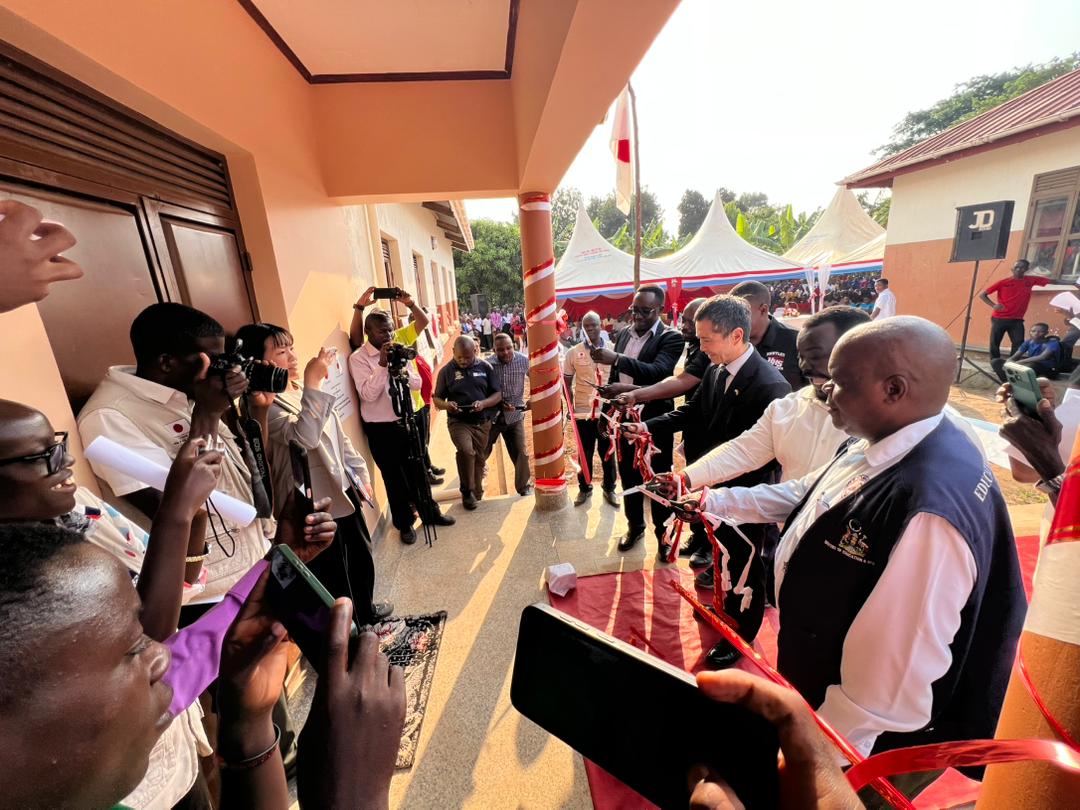
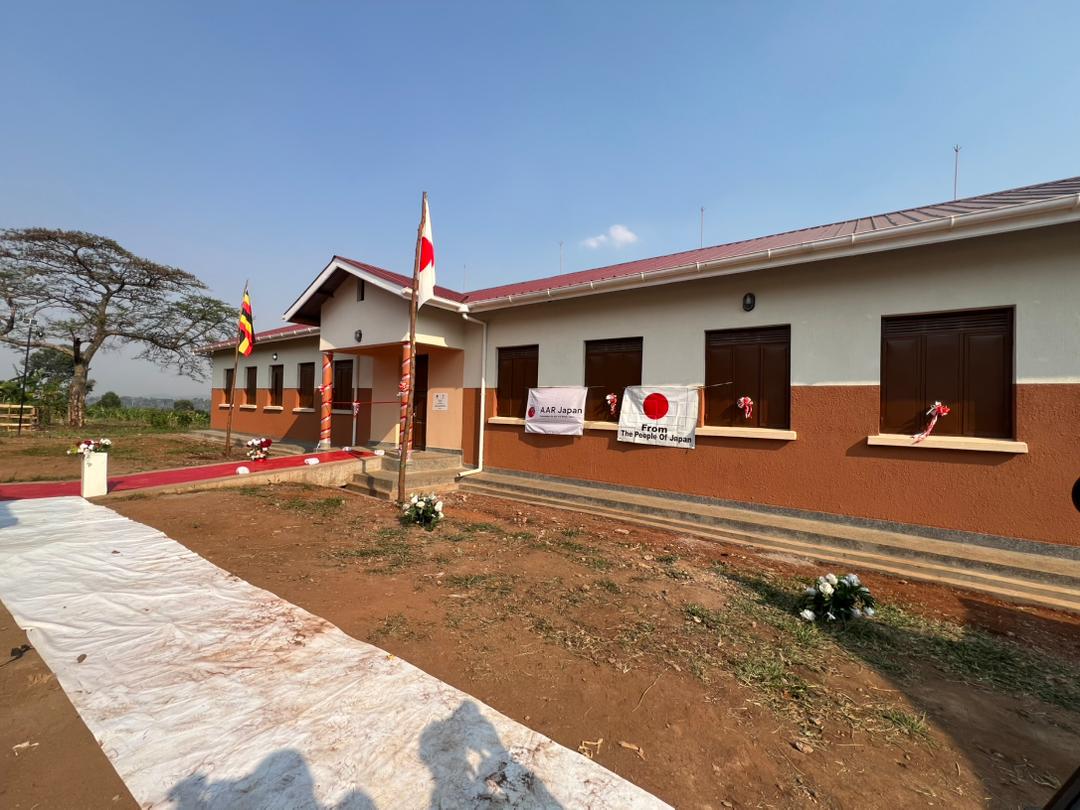
The remarks were made during the commissioning of a new boys’ dormitory at Kyangwali Secondary School in Kyangwali Refugee Camp, constructed by AAR Japan at a cost of over Shs400 million.
The facility will accommodate 66 students, improving living conditions and the overall learning environment.
Byakagaba expressed hope that improved infrastructure, alongside other facilities already provided at the school, will enhance the transition rate and allow more children to access secondary education.
He further highlighted a critical shortage of teachers in the district, estimating a gap of 500 educators, particularly in primary schools.
“We appeal to government to add more wage support so that we can recruit more staff, especially in primary schools. For instance, at Maratatu Primary School, one school has 7,000 pupils with only 17 teachers,” he said.
Patrick Isingoma, headteacher of Kyangwali Secondary School, said the school also faces overcrowding and insufficient classrooms, forcing some lessons to be conducted under tents.
Kikuube District Chairperson Peter Banura called for increased funding to address these challenges, noting that the withdrawal of support by NGOs has shifted the burden entirely onto local authorities.
“We know most NGOs withdrew from supporting us, and a number of teachers were being paid by organizations, so all this burden is on us. We appeal for donors to come through,” he said.
Yoshida Norimasa, deputy ambassador of the Embassy of Japan in Uganda, officiating the dormitory commissioning, pledged continued Japanese support for education, infrastructure, and humanitarian aid.
“Uganda is a very good country, peaceful with welcoming people. As Japan, we shall continue supporting Uganda including the education sector. When the population is educated, they can do better in life,” he stated.
